PROFESSIONAL TIPS FOR GIB STOPPING
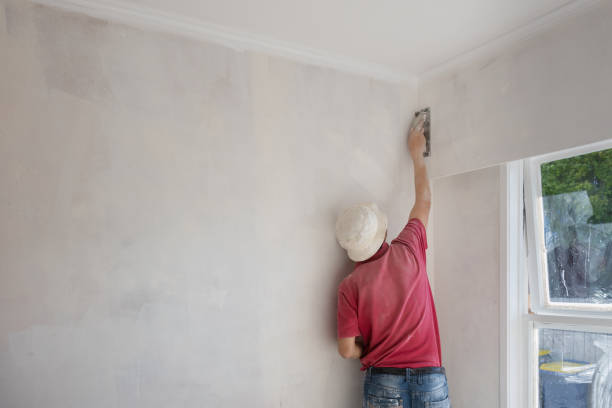
Plastering is often considered a difficult art form. You must practice plastering consistently to master it. To achieve lasting and perfect results, you must continue to practice this art. If you’re new to plastering, it’s a good idea to learn the basics. We are a gib stopping in Auckland company with over 15 years of experience in Auckland’s market.
Plastering can be a time-consuming and tedious task that can take a long time. Only the highest quality products and techniques are used by us. We can meet your expectations and needs. We make every effort to achieve the results that you desire right from the beginning. Our exceptional services have been a benefit to some of Auckland’s most renowned builders.
High-quality Equipment And Tools To Plaster
To create plaster walls of outstanding quality, you need to use the best tools and techniques. You need high quality tools and techniques. Smooth finishes can be achieved with the right tools. High-quality equipment does not necessarily need to be expensive. Trusted and reliable stores can help you find the best equipment for a reasonable price.
Plastering is easy if you’re confident. These fantastic tips for gib stopper Auckland make plastering simple.
These plastering techniques will give you a stunning result.
- People often neglect to clean the surface before plastering. Professional plasterers recommend that you remove all wallpaper. This will ensure a flawless and professional finish.
- It is important to ensure that walls have excellent suction abilities. You can achieve smooth surfaces easier by paying attention.
- It will take you time to get the plaster off walls that aren’t well-suspended. To properly plaster these walls, you will need a bonding agent. A mixture of water and PVA can be used. To increase adhesion, you can add sand. This ratio should not exceed 4:1. This ratio can vary depending on the quality and consistency of your plaster.
- The plaster will quickly dry if you use porous mortar. If the plaster is porous, it can be difficult for a perfect finish. Make sure that the plaster has been properly soaked in water before you begin to plaster. This will allow the plaster to stick to the walls.
- Use two coats of flat backing to get a smooth finish.
- Plastering a surface requires high-quality equipment. This will stop plaster from sliding off walls. Use clean trowels and buckets.
- Before you start plastering, it is important to prepare the surface. This is essential to avoid plaster sticking to the surface and falling off.
How To Organize Your Wardrobe The Best Tips For Skim-coating Your Plaster Surface.
Skim coating is a way to fix any flaws in plaster walls. These are the top tips for skimming coat your surface.
- Use a 2mm layer of skim to correct the uneven surface.
- You may not be able to lift the entire layer. This results in a dull and gloomy coat. Smoothen any bumps or ridges in your skim-coated coat. Flatten the surface with a high-quality trowel.
- Another coat of skim-paint, about 1mm thick.
- To make the surface uniform, you will need to again use a trowel. If your surface is not smooth enough, a trowel can be used to smoothen out any dents and holes.
- Let the surface dry completely. You will not see any cracks or flaws once the surface has dried completely.
- Any flaws, such as blistering, will disappear once your paint dries completely.


Post Comment