HOW TO CHOOSE A TV ANTENNA
The hardest part is cutting the cord. Although the sales rep may give you some trouble, you will persevere. It’s not difficult to keep entertained once you have cut the cord. We set out to show you every day how to do this. One solution is one that we keep coming back to, and it’s both powerful and under-appreciated. It’s free over-the-air TV. Free over-the-air TV, or OTA TV as it is commonly known, is the best way for everything, from NFL games to local broadcasts. All you need to get it is an antenna and basic knowledge about how it works. Easy, right? This is where many people get confused: The basic knowledge required to use an antenna isn’t common knowledge. We are here to help you choose the right TV antenna. We’ll give you the facts, then link to the more detailed how-tos and show you how to select the best antenna.
Refresher: Free over-the-air TV
Even for those who have used cable for many years. There are still antennas that work, at least in part, like those used by your grandparents. And the best part is that channels can still be broadcast over the air for free!
The original TV channel broadcasts were transmitted over the air. Because they could connect multiple broadcast towers and air content across the country simultaneously. Individual viewers weren’t connected to these networks, however. They picked up the content via antennas from broadcast towers.
Due to problems with rural reception and other factors, companies eventually began connecting customers to cable networks. You’ve probably seen the broadcast tower at your local news station’s headquarters. The tower broadcasts both local and national content. If your local station is a Fox affiliate, for example, you can access Fox dramas and comedies just as easily as your local news team’s broadcasts. All of it is on the same channel.
How to choose a TV Antenna
It takes a lot of work to pick the right TV antenna. But, once you know the basics, it is easy. Here are the basics.
Types of Antennas & Other Concerns
Most people can picture several types of antennas from the top of their heads. You probably know what “rabbit ears”, or roof-mounted outdoor antennas, look like. These are two extremes in antenna design.
Antennas are available indoors or outdoors. Antennas can be directional or omnidirectional. The distinction between indoor and outdoor antennas can be easily explained. Omnidirectional antennas are directional or omnidirectional. Omnidirectional antennas can pick up broadcasts from all directions equally well.
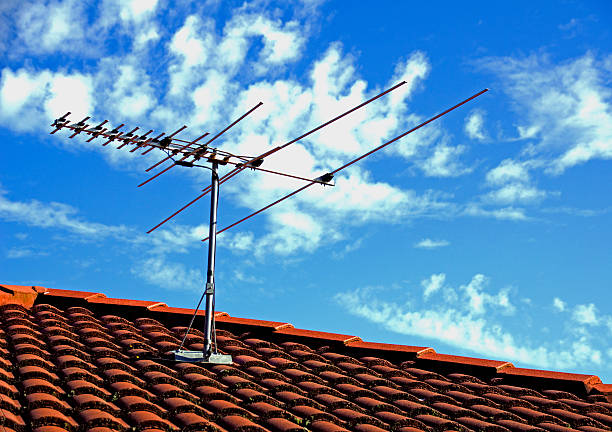
Outdoor antennas have greater ranges. Although they are large, you don’t need to put them in your living space. They are also directional, but that’s OK too. If you live in an area with outdoor antennas, it’s likely that the closest broadcasts come from the same direction.
Indoor antennas are usually smaller and less ugly. These antennas are usually flat and can be mounted to the wall. They can also stand on their own, as in the case of rabbit ears. Indoor antennas can be omnidirectional.
There are many options for antennas. You’ll want one that can reach the OTA stations that you wish to view. Indoor antennas have a range of 40-50 miles. Outdoor antennas will have a greater range. Remember that antennas claim a wide range of ranges, but not everyone lives in ideal environments.
What range do you need?
You will need to understand your current situation in order to determine the best TV aerial in nz for you. How far are your stations over-the-air? Knowing this information will help you determine the range of your ideal antenna.
It is easy to find your nearest OTA station. You can find a variety of online tools that can calculate the numbers for you. You can use the FCC tool, but there are also two other sites that pro-antenna people run: AntennaWeb and TVFool. All of them work in the same way. You simply enter your address (or your zip code if you feel paranoid), then click a few buttons. You will then be able to see how far you are from the nearest OTA station. A labeled list will appear along with a map. You will be able to select the stations that you want to target. Start to get a feel for the range that you want from your antenna.
You might not receive every station within the range you expect. It’s possible for a station to be blocked by a building or other landscape feature. Don’t obsess about reaching one channel. Instead, look at the whole picture and make the best decision to maximize your potential reach. Upgrade from a 25-mile antenna to a 50-mile antenna just to. Although securing one more channel may not be the best decision, it is up to you!
Consider this: How to Look Good
An indoor antenna will cover most TV viewers’ needs. This means your antenna will be present in your living space, bedroom, or any other space where you are watching TV. You’ll want it to look good!
Indoor antennas are usually wall-mounted, flat antennas. Many come in black, white, and/or both. Some even have black and white on one side of the antenna so that you can choose. Coaxial cables almost always come in black or white. You might choose a white antenna if you have a white wall. Or you could opt for a high-contrast look to keep your space modern and crisp.
Some antennas are made to make a statement. In our review, the Mohu Blade’s minimalistic design impressed us. The Mohu Blade antenna is a great example of an antenna that focuses on style and not camouflage. It’s an attractive look, especially for modern spaces. You can find something similar to this that suits your tastes, so go for it!
Although an antenna is a utilitarian item, it’s important to remember its aesthetic appeal. An antenna mounted high on the wall will give you better reception. You may want to mount your antenna very clearly. It will be visible a lot, so it is worth spending a bit more to achieve the look you desire.
Setting Up Your Antenna
After you have chosen the right antenna for your space, it is important to ensure that it is properly set up. Many antenna users have been disappointed or misled by an inadvertently placed antenna or failed to scan for channels.
Antennas that are located higher will receive better reception. Be aware of interference. To see how interference affects reception, you can place your antenna in several different locations.
Remember to scan channels! The TV’s .TV tuner will be able to determine where the channels are, but it takes time. Navigate to the menu of your TV and search for channels. After scanning, your TV should be able to show you which channels it has stored. To capture as many channels as possible, you may need to scan several times. Try moving your antenna and scanning from different locations. Also, try scanning on a clear day. Although the weather has very little effect on antennas, every bit helps.
Improve reception
Although we’ve shown you how to select a TV antenna, mistakes are inevitable. You might be able to fix your antenna’s reception problems without buying a new one.
Start by reading our trouble shooting manual. Then move your antenna around to improve reception. It is possible that you missed something or your antenna was placed in an area that doesn’t work.
An amplifier can be used to improve your antenna’s reception. As you can see, amplifiers amplify the signals that your antenna picks. They can transform weak signals into signals strong enough to be picked by your next channel scan. An amplifier must be connected. An amplifier will give you a stronger signal if it is connected between your antenna and your television.
How to choose a TV antenna: Pick one!
We spent a lot of time explaining the intricacies of choosing an antenna. We have some great information to share! You’ll have trouble identifying the correct range of antennas to search for. You won’t even be able to see any channels if you forget to scan them!
Don’t let your choices get you down. Antennas are very simple. Micro-analyzing the differences between them is what we love, and that’s why we will be the first to recommend top brands and models. Your choice of antenna will not make a huge difference to your OTA experience, so don’t worry about it. You can simply determine your range, review a few reviews, then purchase your antenna. In no time, you’ll be able to watch TV without cable.


Post Comment