9 SHADE SAIL MISTAKES
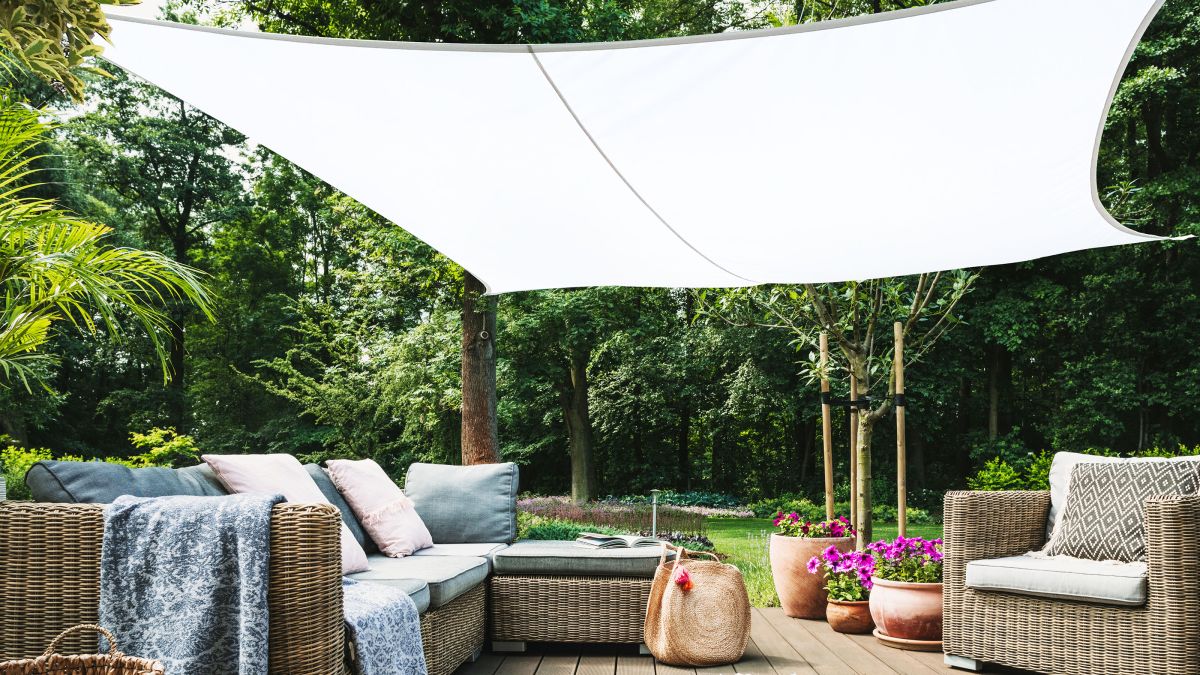
Before you decide to add this fun accessory to your yard, make sure you are aware of the common mistakes that shade sails can make. Do not wait to get your shade sail home only to find out that it isn’t the right size or shape for your space.
You don’t want your time spent selecting the right model for you to only fall prey to poor installation. Incorrectly putting up shade sails can cause everything from sagging to water disasters.
REFUSE TO USE SHADE SAIL MISTAKES.
Shade sails ideas provide shade in hot weather and are cheaper than pergolas and awnings. These sails can also be removed quickly and used again as a rental property feature.
There are some things you should know before buying, despite their many positive points.
1. INVESTING IN AN IMPORTANT THING
It can be difficult to decide the right size shade sail for you, no matter how experienced or new you are with them. We often choose a smaller deck shade idea to shade a specific area rather than the whole garden.
To ensure your shade sail arrives safely, measure the area you want. Your anchoring point should be one foot away from the shade sail material.
“Don’t select a shade sail that covers only the area you need. You should always choose something slightly larger to provide good coverage.
2. INSTALLER YOUR SHADE SAIL TOO FLAT
Shade sails can be a great way to provide some relief from the heat in a sunny area.
You’ve never seen shade sails in nz that are completely flat. He says that if you have different heights, it allows wind to pass through and prevents rainwater buildup.
Mixing high and low fixing points will increase the visual appeal and decrease wind pressure. You can determine the best angle to place your shade sail by checking the direction of the sun during the hottest hours.
3. UTILISATION OF WEAK FIXING POINTS
A poorly mounted sail can lead to problems such as sagging. The posts should be strong and deep enough to support the weight.
Not all fixings for shade sails are suitable for outdoor use. Choose weatherproof, galvanized, or stainless-steel fixings that are heavy-duty and durable. She says hooks are the easiest way to move the sail around, while carabiners make it easier to secure it in windy conditions.
4. BUY A SHADE SAIL WITHOUT UV PROTECTION
Knowing which color canopy is the coolest does not answer the question of what shade will provide the best sun protection. It is a common mistake to choose a shade sail that doesn’t provide sun protection, even if it is vital.
Many of us who are sun-sensitive will fall for the trap of believing that sitting in shade won’t cause skin to burn. If the sun’s rays are intense and the shade does not offer UV protection, disaster can occur.
If you are concerned about sun safety, consider using a shade sail made of darker fabric or approved by an organization that is certified for UV protection.
5. A SINGLE SAIL SHADE IS ALL YOU NEED TO COVER A BIG AREA
If you want patio covers ideas to cover a large area, it might be better to use multiple sails than one large one. This will make tensioning and angling much easier.
If you need more sunlight, you can also remove the pieces. It is important to remember that multiple sails placed over each other won’t help keep the area below dry. Rain will likely get through the gaps between them.
6. REMEMBER YOUR PATIO SHADE SUCCESSFULNESS
A synthetic sail is best for protection from the sun and rain. To ensure that the sun’s harmful rays are blocked, make sure you check the UPF (high ultraviolet protection factor) of any type.
A waterproof model is not necessary if you live in an area that receives little rain. You can even be creative with inexpensive garden shelter ideas like a DIY shade sail from a draped sheet.
7. A WRONG SAIL SHADE SHAPE FOR YOUR SPACE
It is helpful to think about the three main types of shade sails. There are three main types: square, rectangular, and triangle. You can choose from right-angled and equilateral triangle shapes. The right-angled triangles are ideal for shading corners of patios or attaching to exterior walls of a house or garden fencing.
“Rectangular sails offer the greatest coverage, but triangular sails look great and are suitable for small terrace ideas,”.
8.PLACEMENT NOT CAREFULLY PLANNED
Sally says that it is important to think about the sun’s direction when setting up your shade sail. This will help you to be adequately protected during peak hours between 12 pm and 3 pm.
“You might also want to consider how you position your shade sail to get the best sun coverage. Your shade sail should be up during the brightest hour of the day. At the very least, shade your area when it is mostly sunny. You can do this to ensure you get the coverage you need at the right time.
That while shade sails can be enjoyed in all weather conditions, they should be placed away from fire pits and barbecues to ensure safety.
9. DO NOT RETAIN YOUR SHADE SAIL TUT
Shade sails are not as strong as garden arbors. They rely on sturdy anchor points to maintain their structural integrity. That shade sails should be properly tensioned. “So make sure any posts, walls, or fences that you use to fix the sail are sturdy and stable.”
A shade sail that is droopy or sagging won’t perform as well as one that is taut and may even be damaged by an unexpected gust of wind. It is important to install it securely enough to make sure it is flat. However, don’t force it too tight, as it could cause damage to the fittings. Once a month, check the tension and adjust if necessary.


Post Comment