9 Easy DIY Face Masks to Make Your Skin Glow
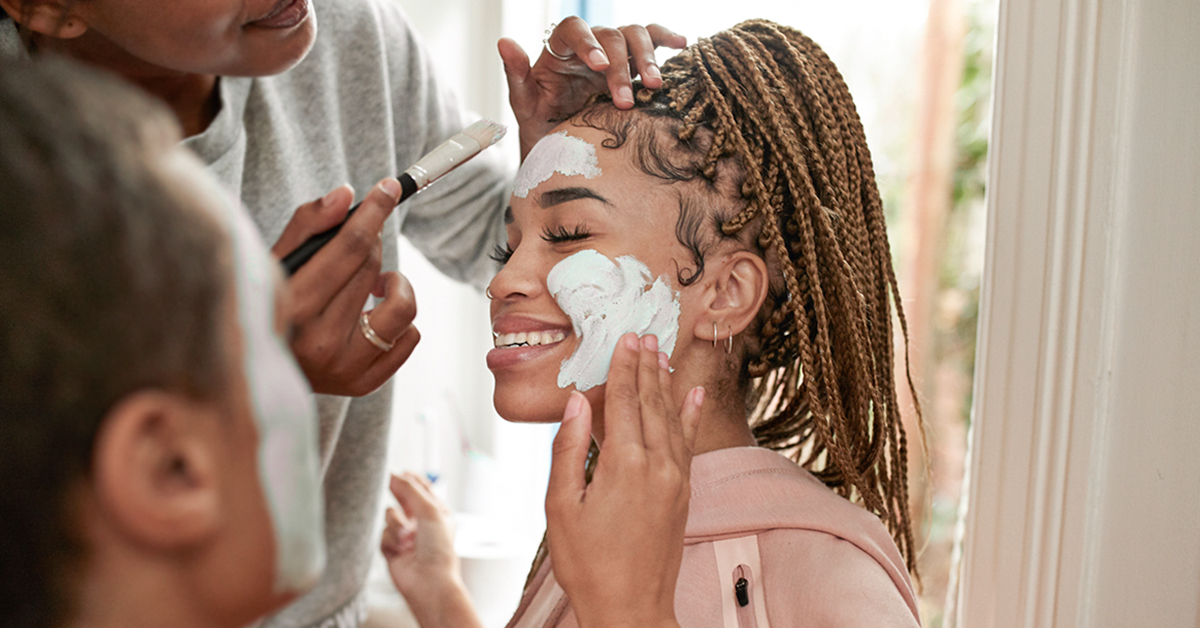
The home beauty treatments changed from being one option to during the pandemic. Although the transition was difficult for some (reluctant skin-waxers), it helped popularize DIY face masks, which are one of the best and most practical options for skin-care.
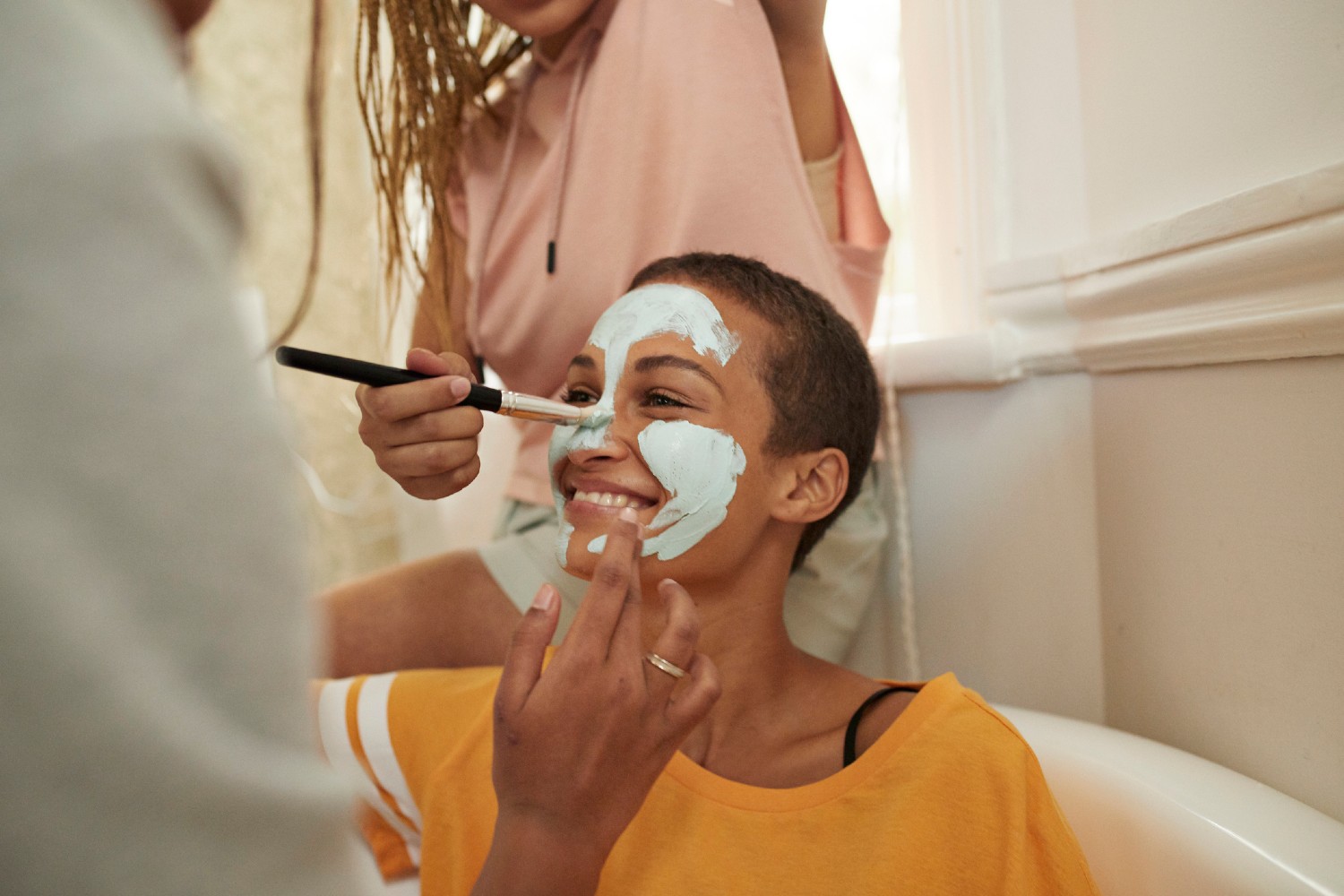
You don’t need to go to a salon or spa to make a homemade mask. You are not only taking the time to apply the glow-inducing cream to your face, but also knowing where the ingredients came from.
FYI: Before you DIY:
However, just because a mask looks simple or has a natural label – or the internet suggested you do it – doesn’t necessarily mean that it is safe for your skin, or that it will love your face. You wouldn’t take random pills without knowing how they might affect you, so it is a good idea to use this rule of thumb when treating your skin,” Mona Gohara M.D., a board-certified dermatologist at Yale School of Medicine tells SELF. “Using the wrong ingredients can quickly cause your at-home beauty treatments to go sideways.”
Dr. Gohara advises that you consult a dermatologist to verify any ingredient. However, in general, DIY maskers should be avoided: lemon juice and cider vinegar (their acidity can cause irritation and burning), turmeric and spices with yellowing like turmeric (which can cause discoloration), as well as cinnamon (which is a well-known skin irritation). There is limited research available on DIY-mask ingredients. However, the simple skin remedies below are well-tolerated. Ife Rodriguez, M.D. is the lead dermatologist at Eternal Dermatology in Columbia.
Oatmeal (or ground-up oats): This oatmeal can be used to reduce dryness and improve the appearance of skin that is itchy or irritated.
Avocado : This avocado contains high levels of fats that can improve skin moisture as well as vitamin E that may help protect against free radical damage. 3
Honey: A natural antimicrobial, anti-inflammatory and skin moisturizer, honey can reduce redness and irritation.4 Dr. Rodney suggests that raw honey be preferred as it may have more beneficial properties including additional antioxidants. 6
Green Tea: It has a high level of antioxidants and polyphenols that have an antibacterial and anti-inflammatory effect. 7
Milk and yogurt contain lactic acid, a well-known exfoliator that has moisturizing qualities.
Aloe: Well-known for its soothing and anti-inflammatory moisturizing properties. 10
Dr. Rodney says that no matter what the ingredients of your homemade facial masque, it is important to do a patch test before applying any product. Every skin type reacts differently to different ingredients. You can do this by placing a small amount behind your ears. After 15 minutes, rinse it off and wait 24 hours to check if there is any irritation or redness. One last point: Make sure you don’t save too many DIY masks for later. Dr. Rodney says, “Once you make a homemade mask you must use it immediately.” Dr. Rodney says that the mask can lose effectiveness quickly if it is exposed to light and air. However, depending on the ingredients it may also develop bacteria which could lead to clogging of your pores and acne.
Make your own DIY face masks
Are you inspired to be creative in your cosmetic kitchen? We rounded up nine dermatologist-approved DIY mask recipes you can try at home–some from beauty brands and blogs; some straight from the doctors’ mouths. And if you’re still in the why-make-it-when-I-can-buy-it camp, don’t worry. We have options for you too, as Dr. Gohara or Dr. Rodney selected.


Post Comment